
Are We Losing Ourselves to Our Phones?
Smartphones are a part of our everyday lives. We use them to take photos, look up new recipes, watch the latest episode of our favorite TV shows, or be informed about current events. They are the first thing we touch in the morning and the last thing we touch before we go to bed. They buzz during meals, glow up in the dark next to our pillows, and blind us like flash grenades at night. Every notification feels urgent, every scroll promises something new, and every tap keeps us just a little longer than we intended. The world inside our screens feels endless, fast, and demanding, always asking for our attention. The convenience feels harmless, even productive, as if we have everything we need at our fingertips. Many people find themselves reaching for their phones without thinking, checking notifications out of habit rather than need. But, here’s the uncomfortable truth no one really wants to say out loud. While we are busy staying “connected,” something real is quietly slipping through our fingers. The glow of our screens is getting brighter, but the warmth between people feels like it is fading. We are present, but not really there. We are together, but somehow still alone.
There’s a growing pattern that feels hard to ignore: people aren’t connecting, they aren’t talking to each other. It happens in formal settings like restaurants, schools, and workplaces. Even when hanging out with family and friends. You are sitting together, but everyone is silently scrolling through social media. The room feels quiet but not peaceful, just disconnected. The disconnect happens when friends or family are physically together but not truly engaging in conversations. Nowadays, a simple conversation takes effort. Small talk feels exhausting, like connection requires too much energy. Yes, socializing can be draining and overstimulating at times, but you still need human connection. Without it, you lose empathy, understanding, and the simple joy of bonding with one another. Research by Marialaura Di Tella shows that people who are socially isolated or lonely often struggle with empathy and understanding others emotionally. When this happens, does it ever make you wonder if this could be the result of phone addiction?
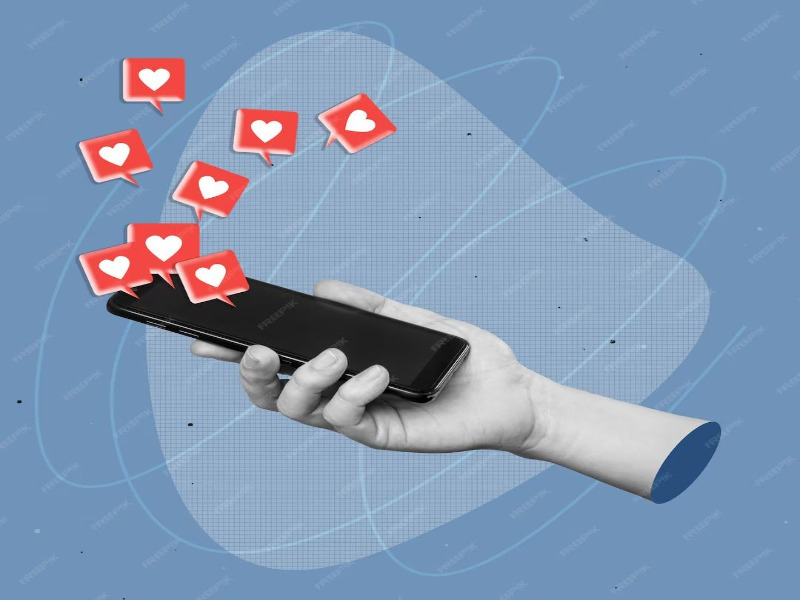
Maria Demeshko on Getty Images
How Social Media Changes the Way You Communicate
One of the biggest shifts brought by social media is how you communicate with others. Instead of relying on facial expressions, tone of voice, or body language, conversations often happen through texts, emojis, and memes. Social media is slowly erasing our ability to connect as humans. Communication becomes shorter, faster, and sometimes less personal. “Likes” replace a conversation, and a text reaction replaces an emotional connection. These shifts affect both real-life interactions and digital ones. In-person, phones pull attention away from people sitting right in front of you, eye contact decreases, and pauses are filled with scrolling, as moments for connections disappear. If connection begins to feel easier through a screen, are we slowly forgetting how to build genuine connections? If so, at what point does it become a battle between effort and comfort? Social media can distort reality. You see curated and edited photos of happy couples, perfect vacations, and flawless lives. It makes it easier to compare yourself to an unrealistic standard. The more time spent online chasing likes or viewing other people’s lives, the more real-life moments feel small or empty. This constant comparison can create insecurities, jealousy, and even tension within yourself and relationships.

The Impact of Smartphones on Mental Health
According to The Guardian, teenagers who develop addictive phone usage are more likely to experience mental health problems, including anxiety, depression, sleep disruptions, and suicidal thoughts. This is serious because it shows that too much screen time can make emotions heavier, like hopelessness. When you feel anxious without your phone, restless when notifications stop, or have an urge to endlessly scroll, that’s a sign your mind is relying on the phone more than it should. In the long run, it can make real life feel dull, like nothing is as exciting as what’s on the screen. A 2022 Pew Research study found that teens spend an average of 7-9 hours a day on their phones, with heavy social media users more likely to feel stressed or isolated, and 44% of teens say being without their phones makes them anxious.
What’s more, it doesn’t stop at endless scrolling; teens are relying on AI for companionship. According to AP News, a new study shows that teenagers are increasingly interacting with AI as a companion. More than 70% have used AI companions, and half of them use it regularly. For some teens, the shift away from real conversations is going even further, turning to AI chatbots for comfort, advice, or just someone to talk to when they feel lonely. In the Common Sense Media survey, 31% of teens said their conversations with AI were “as satisfying or more satisfying” than talking with real friends. AP news reported that more young people are beginning to treat AI like a companion because it is always available, always responsive, and never makes things awkward. It raises a broader concern about what happens when digital conversations start to replace real human ones.
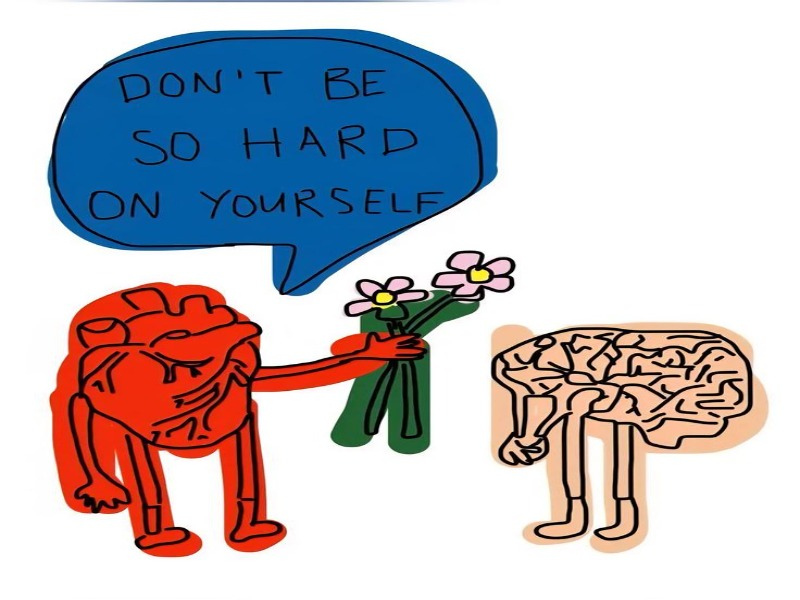
Finding Balance in A Digital World
Smartphones aren’t the enemy. They help us stay connected, discover communities, and express ourselves. But when screentime starts replacing conversations, it can feel shorter, attention gets divided, and empathy becomes harder to practice. That’s where balance comes in.
The real challenge is awareness, noticing when your phone is pulling you away from the moment. Start small. Put your phone on silent during meals, leave it in another room when you’re with friends, or dedicate one hour a day to being offline. Use that time to reconnect through simple activities like painting, journaling, yoga, meditation, taking a walk, or reading a book. And when you are ready to reconnect with others in real life, there are so many communities that make it easier to step outside your comfort zone.
These platforms help you discover local communities based on your interests.
Platforms to Find Social Events and Community:
- Heylo
- MeetUp
- Eventbrite
- Bumble BFF
- Partiful
These groups create space for real conversations, share experiences, creativity, healing, and most importantly, friendships.
Social Clubs and Community Groups:
- Girls Who Run
- Unite CLub
- Books, Brunches and Booze
- Girls Who Meet
- Heal Sis App
- The Soul and Sky
- Hoboken Travel Club
- NJ Social Club
- New York Social Network
When you’re with others, practice being fully present. Have a conversation without checking notifications. Make eye contact, listen without rushing, and let silence exist for a moment. These small gestures can rebuild the kind of connection that screens sometimes replace. In a world that’s constantly demanding your attention, choosing to be present is one of the most powerful ways to stay grounded. Look up once in a while. You might be surprised at what you have been missing.
About the Author: Dulce Delacruz is a Public Relations Specialist Intern of the Lesniak Institute for American Leadership. Dulce is a fashion blogger and a student at Kean University, pursuing a Bachelor of Arts in Communication and a minor in Marketing.