
The Negative Impact Of The Government Shutdown
On October 1st, 2025, the federal government entered a shutdown after Congress failed to pass a short-term spending bill. The measure would have extended Affordable Care Act health care subsidies and reversed cuts to Medicaid. A separate GOP-backed stopgap bill, which would have funded government operations for seven weeks, also failed. With no agreement in place, the government shut down for six weeks.
Government shutdowns are often described as a form of political brinkmanship. Still, for millions of Americans, particularly low-income families, people of color, and those who depend on the social safety net, the consequences are immediate and long-lasting. The economic strain moves quickly and leaves uneven impacts across communities. Below, I break down the key ways shutdowns disproportionately affect underserved communities, highlight recent data and reports that illustrate these harms, and offer practical steps that community leaders and policymakers can take to reduce the damage.

Immediate loss of income
When a shutdown forces furloughs or forces federal employees to work without pay, households lose paychecks that cover rent, groceries, and medical care. In the 2018–2019 partial shutdown, economists estimated roughly $18 billion of federal spending was delayed, which had an immediate cooling effect on economic activity. These cuts don’t affect everyone the same way. Federal jobs and government contract work are concentrated in certain areas, and those jobs help keep local small businesses running, many of which employ people of color. So when federal spending goes down, those communities are hit the hardest.
During the 2025 shutdown, reporting and policy analysis found that at least 670,000 federal employees were furloughed, while around 730,000 worked without pay. These steep, short-term income shocks hit families especially hard; many lack the savings to handle a missed paycheck, forcing impossible choices between basics like food, medicine, and rent. To manage, some are turning to high-cost credit, which only deepens their long-term financial stress.

SNAP and food-assistance disruptions hit low-income households hardest
The Supplemental Nutrition Assistance Program is the primary source of food support for roughly one in eight Americans. During prolonged funding lapses, SNAP distribution schedules and operations can be disrupted, immediately threatening food access for low-income families. These risks fall particularly hard on Black and Hispanic households, children, seniors, and people with disabilities, who make up a disproportionate share of SNAP recipients. In fact, during the 2025 shutdown, reporting warned that around 42 million people could face benefit interruptions, and the available contingency funds were not enough to cover all payments without court intervention. While hotlines, food pantries, and state emergency measures can provide temporary help, they are stopgaps; food banks cannot replace the scale or consistency of monthly SNAP benefits.
A small qualitative study of SNAP participants affected by the 2018–2019 shutdown found rapid increases in food insecurity and stress when benefits were disrupted. Focus-group participants reported that the gap between benefit distributions caused them to divert money from other expenses, leading to deeper financial worry and anxiety.
Health care disruptions at community health centers and for Medicaid populations
Community health centers, safety-net hospitals, and public health programs serve disproportionately high numbers of low-income people and people of color. These centers often depend on federal grant funding as well as stable Medicaid and CHIP reimbursements to keep their doors open. When shutdowns delay grant payments or create administrative backlogs, health centers face serious risk: reduced staffing, shorter clinic hours, or even canceled outreach initiatives. In reporting from 2025, analysts pointed out that more than 32 million people rely on community health centers. Interruptions in federal funding or administrative support can lead to missed care, delayed preventive services, and worse health outcomes for communities that are already medically underserved.

Housing and homelessness prevention: HUD programs and rental assistance at risk
Programs run by the Department of Housing and Urban Development, like rental vouchers, homelessness-prevention grants, and housing counseling, are a lifeline for many Black and Latino households that face a greater risk of housing instability. A prolonged shutdown can delay payments to housing authorities and community partners, stress emergency shelters, and create uncertainty in the rental market for tenants who rely on federal assistance. Nonprofits that bridge those gaps typically operate with very limited reserves, so they struggle to absorb long funding interruptions, elevating the risk of eviction and homelessness in already vulnerable neighborhoods. Housing advocacy groups have raised these very concerns, calling for robust contingency planning.

How Federal Spending Cuts Hit Underserved Communities and Why the Impact Is Unequal
Small businesses and contractors in underserved areas are often among the first to feel the effects when federal spending slows. Many depend on federal contracts or on the day-to-day spending of federal employees. So when payrolls pause, or workers start cutting back, downtown restaurants, childcare providers, corner stores, and other local retailers, many owned by entrepreneurs of color, see their revenue drop almost immediately. Because minority-owned businesses often operate with thin margins and limited access to affordable credit, even a brief delay in federal payments can trigger significant cash-flow challenges.
These business-level shocks don’t remain contained—they spill directly into the lives of workers and families. When local businesses struggle, employees face reduced hours, unstable income, and greater difficulty covering basic expenses. In neighborhoods that already have limited economic buffers, pressure on businesses quickly becomes pressure on households, deepening existing inequities.
Two key factors explain why the burden falls disproportionately on minority communities. The first is structural exposure: Black and Hispanic households are overrepresented among low-wage workers, SNAP participants, Medicaid enrollees, and renters, the groups most directly affected when federal programs slow or stall. The second is lower financial resilience: these households generally hold far less liquid wealth and savings, making it far more difficult to absorb a missed paycheck or delayed benefit. What may be a temporary inconvenience for a higher-income worker can quickly escalate into a full-scale crisis for families living paycheck to paycheck.
Together, these dynamics show that federal spending cuts do more than trim budgets; they widen existing inequalities. The shock moves quickly through small businesses, workers, and households in underserved communities, landing hardest on those with the least financial protection.
Call to action:
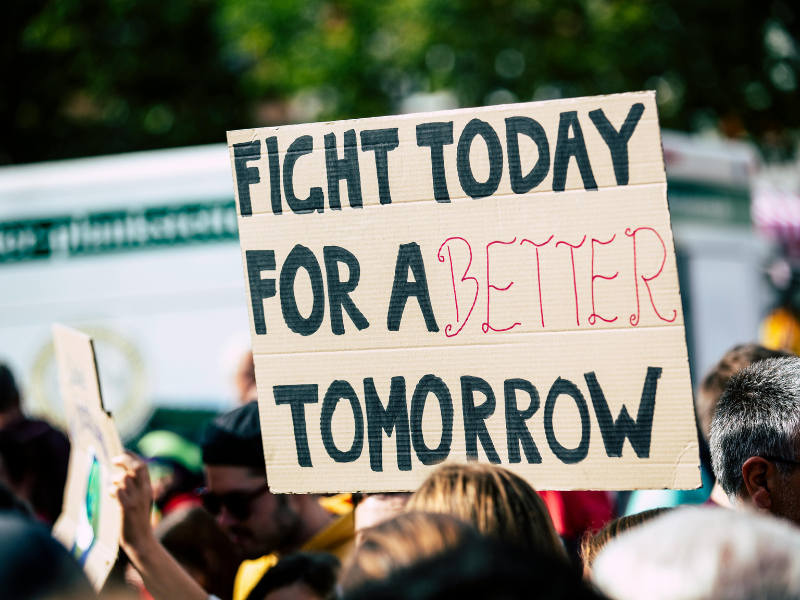
Now that the shutdown has ended on November 12th, 2025, this is the moment to keep advocacy alive and ensure that the lessons from this disruption aren’t forgotten. Communities that experienced delays, uncertainty, and gaps in essential services deserve to have their stories heard. Sharing accurate information, elevating firsthand experiences, and continuing conversations about the real impacts on families, students, and local organizations helps prevent these issues from fading into the background. Staying engaged through educating others, posting updates, or connecting with civic groups keeps the focus where it belongs: on strengthening the systems people rely on every day.
But awareness alone isn’t enough. To build long-term stability, we need consistent public pressure and organized action. Encourage others to contact local and state representatives, advocate for safeguards that protect critical programs during future funding debates, and participate in community meetings or coalitions working toward policy updates. The shutdown may be over, but the work of ensuring accountability and preventing repeat crises continues. By staying involved and uplifting the voices of those most affected, we can push for meaningful change that promotes stability, transparency, and trust moving forward.