
ANIMAL WELFARE
Advocate for Animals
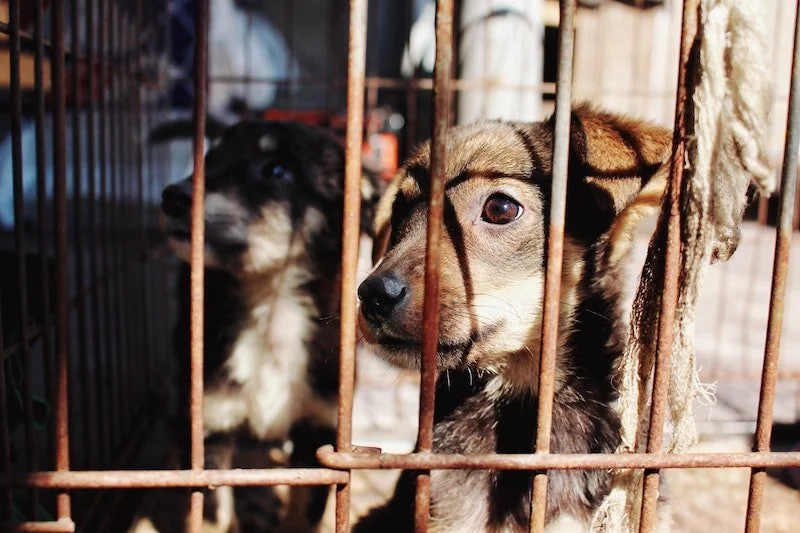
Through our efforts in NJ we have banned ivory and rhino horn transactions to save elephants and rhinos from extinction, banned the importation and transportation of “trophies” of endangered species, stopped the cruelty of wild animal performances in circuses, banned the shark fin trade, and ended the bear hunt.
There is still much to do. Help us continue to advance animal welfare policy change by donating to our cause.
-
S471/A2005 is dedicated to restructuring the NJ Fish & Game Council. As of 2025, New Jersey wildlife management practices (hunting seasons) are decided upon by the Fish & Game Council, a governing body that resides under the Department of Environmental Protection. Currently, the Fish & Game Council membership is a majority (6/11) of hunters—as recommended by the Sportsmen's Club, a private organization. S471/A2005 will allow for an equal number of hunters and animal-friendly representatives, from renowned animal protection organizations, to have a seat on the council. This bill is not anti-hunter—it is pro-equality for our NJ wildlife management representatives.
-
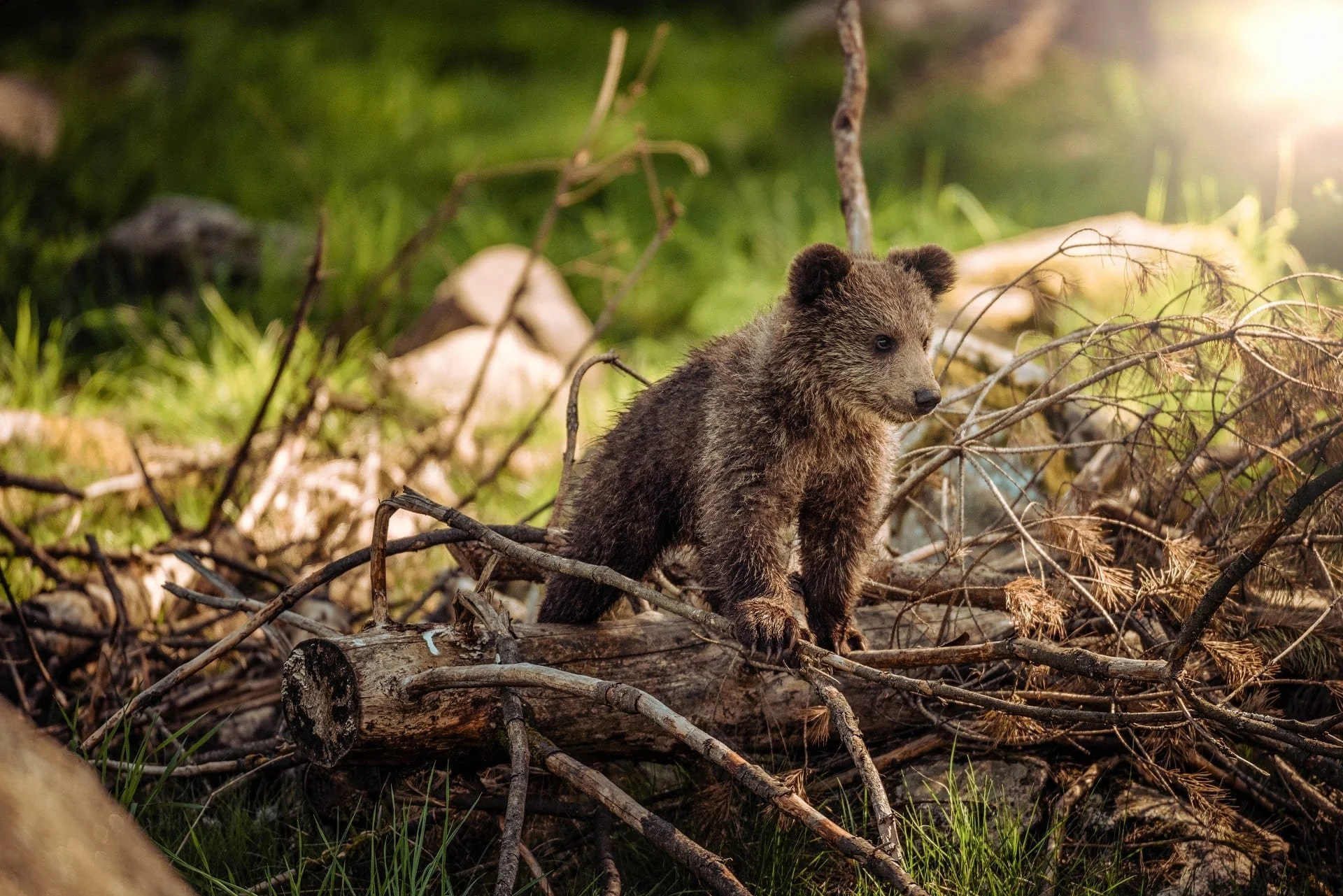
Over the last four years, over 1,500 native NJ black bears have been hunted and killed: 467 black bears in 2025, 473 in 2024, 493 in 2023, and 114 in 2022. Black bears are a native species to New Jersey and play a critical role in our ecosystem. They are not inherently aggressive creatures, but can become a nuisance when they seek food in human-occupied areas—leading to garbage disturbances and human/bear conflicts. This fight is to promote equality among our representatives, lessen human/bear interactions, and preserve our native wildlife. But, there has been major pushback on S471/A2005 by our legislators and we need your help to speak up for this bill.
Equality in Wild Management
Ban Puppy Mills
-
S471/A2005 is dedicated to restructuring the NJ Fish & Game Council. As of 2025, New Jersey wildlife management practices (hunting seasons) are decided upon by the Fish & Game Council, a governing body that resides under the Department of Environmental Protection. Currently, the Fish & Game Council membership is a majority (6/11) of hunters—as recommended by the Sportsmen's Club, a private organization. S471/A2005 will allow for an equal number of hunters and animal-friendly representatives, from renowned animal protection organizations, to have a seat on the council. This bill is not anti-hunter—it is pro-equality for our NJ wildlife management representatives.
-
Over the last four years, over 1,500 native NJ black bears have been hunted and killed: 467 black bears in 2025, 473 in 2024, 493 in 2023, and 114 in 2022. Black bears are a native species to New Jersey and play a critical role in our ecosystem. They are not inherently aggressive creatures, but can become a nuisance when they seek food in human-occupied areas—leading to garbage disturbances and human/bear conflicts. This fight is to promote equality among our representatives, lessen human/bear interactions, and preserve our native wildlife. But, there has been major pushback on S471/A2005 by our legislators and we need your help to speak up for this bill.
Courtroom Animal Advocacy Program
-
S471/A2005 is dedicated to restructuring the NJ Fish & Game Council. As of 2025, New Jersey wildlife management practices (hunting seasons) are decided upon by the Fish & Game Council, a governing body that resides under the Department of Environmental Protection. Currently, the Fish & Game Council membership is a majority (6/11) of hunters—as recommended by the Sportsmen's Club, a private organization. S471/A2005 will allow for an equal number of hunters and animal-friendly representatives, from renowned animal protection organizations, to have a seat on the council. This bill is not anti-hunter—it is pro-equality for our NJ wildlife management representatives.
-
Over the last four years, over 1,500 native NJ black bears have been hunted and killed: 467 black bears in 2025, 473 in 2024, 493 in 2023, and 114 in 2022. Black bears are a native species to New Jersey and play a critical role in our ecosystem. They are not inherently aggressive creatures, but can become a nuisance when they seek food in human-occupied areas—leading to garbage disturbances and human/bear conflicts. This fight is to promote equality among our representatives, lessen human/bear interactions, and preserve our native wildlife. But, there has been major pushback on S471/A2005 by our legislators and we need your help to speak up for this bill.
-
S471/A2005 is dedicated to restructuring the NJ Fish & Game Council. As of 2025, New Jersey wildlife management practices (hunting seasons) are decided upon by the Fish & Game Council, a governing body that resides under the Department of Environmental Protection. Currently, the Fish & Game Council membership is a majority (6/11) of hunters—as recommended by the Sportsmen's Club, a private organization. S471/A2005 will allow for an equal number of hunters and animal-friendly representatives, from renowned animal protection organizations, to have a seat on the council. This bill is not anti-hunter—it is pro-equality for our NJ wildlife management representatives.
-
Over the last four years, over 1,500 native NJ black bears have been hunted and killed: 467 black bears in 2025, 473 in 2024, 493 in 2023, and 114 in 2022. Black bears are a native species to New Jersey and play a critical role in our ecosystem. They are not inherently aggressive creatures, but can become a nuisance when they seek food in human-occupied areas—leading to garbage disturbances and human/bear conflicts. This fight is to promote equality among our representatives, lessen human/bear interactions, and preserve our native wildlife. But, there has been major pushback on S471/A2005 by our legislators and we need your help to speak up for this bill.
Equality in Wild Management
-
S471/A2005 is dedicated to restructuring the NJ Fish & Game Council. As of 2025, New Jersey wildlife management practices (hunting seasons) are decided upon by the Fish & Game Council, a governing body that resides under the Department of Environmental Protection. Currently, the Fish & Game Council membership is a majority (6/11) of hunters—as recommended by the Sportsmen's Club, a private organization. S471/A2005 will allow for an equal number of hunters and animal-friendly representatives, from renowned animal protection organizations, to have a seat on the council. This bill is not anti-hunter—it is pro-equality for our NJ wildlife management representatives.
-
Over the last four years, over 1,500 native NJ black bears have been hunted and killed: 467 black bears in 2025, 473 in 2024, 493 in 2023, and 114 in 2022. Black bears are a native species to New Jersey and play a critical role in our ecosystem. They are not inherently aggressive creatures, but can become a nuisance when they seek food in human-occupied areas—leading to garbage disturbances and human/bear conflicts. This fight is to promote equality among our representatives, lessen human/bear interactions, and preserve our native wildlife. But, there has been major pushback on S471/A2005 by our legislators and we need your help to speak up for this bill.
Equality in Wild Management
-
S471/A2005 is dedicated to restructuring the NJ Fish & Game Council. As of 2025, New Jersey wildlife management practices (hunting seasons) are decided upon by the Fish & Game Council, a governing body that resides under the Department of Environmental Protection. Currently, the Fish & Game Council membership is a majority (6/11) of hunters—as recommended by the Sportsmen's Club, a private organization. S471/A2005 will allow for an equal number of hunters and animal-friendly representatives, from renowned animal protection organizations, to have a seat on the council. This bill is not anti-hunter—it is pro-equality for our NJ wildlife management representatives.
-
Over the last four years, over 1,500 native NJ black bears have been hunted and killed: 467 black bears in 2025, 473 in 2024, 493 in 2023, and 114 in 2022. Black bears are a native species to New Jersey and play a critical role in our ecosystem. They are not inherently aggressive creatures, but can become a nuisance when they seek food in human-occupied areas—leading to garbage disturbances and human/bear conflicts. This fight is to promote equality among our representatives, lessen human/bear interactions, and preserve our native wildlife. But, there has been major pushback on S471/A2005 by our legislators and we need your help to speak up for this bill.
Equality in Wild Management
-
S471/A2005 is dedicated to restructuring the NJ Fish & Game Council. As of 2025, New Jersey wildlife management practices (hunting seasons) are decided upon by the Fish & Game Council, a governing body that resides under the Department of Environmental Protection. Currently, the Fish & Game Council membership is a majority (6/11) of hunters—as recommended by the Sportsmen's Club, a private organization. S471/A2005 will allow for an equal number of hunters and animal-friendly representatives, from renowned animal protection organizations, to have a seat on the council. This bill is not anti-hunter—it is pro-equality for our NJ wildlife management representatives.
-
Over the last four years, over 1,500 native NJ black bears have been hunted and killed: 467 black bears in 2025, 473 in 2024, 493 in 2023, and 114 in 2022. Black bears are a native species to New Jersey and play a critical role in our ecosystem. They are not inherently aggressive creatures, but can become a nuisance when they seek food in human-occupied areas—leading to garbage disturbances and human/bear conflicts. This fight is to promote equality among our representatives, lessen human/bear interactions, and preserve our native wildlife. But, there has been major pushback on S471/A2005 by our legislators and we need your help to speak up for this bill.
Equality in Wild Management
-
S471/A2005 is dedicated to restructuring the NJ Fish & Game Council. As of 2025, New Jersey wildlife management practices (hunting seasons) are decided upon by the Fish & Game Council, a governing body that resides under the Department of Environmental Protection. Currently, the Fish & Game Council membership is a majority (6/11) of hunters—as recommended by the Sportsmen's Club, a private organization. S471/A2005 will allow for an equal number of hunters and animal-friendly representatives, from renowned animal protection organizations, to have a seat on the council. This bill is not anti-hunter—it is pro-equality for our NJ wildlife management representatives.
-
Over the last four years, over 1,500 native NJ black bears have been hunted and killed: 467 black bears in 2025, 473 in 2024, 493 in 2023, and 114 in 2022. Black bears are a native species to New Jersey and play a critical role in our ecosystem. They are not inherently aggressive creatures, but can become a nuisance when they seek food in human-occupied areas—leading to garbage disturbances and human/bear conflicts. This fight is to promote equality among our representatives, lessen human/bear interactions, and preserve our native wildlife. But, there has been major pushback on S471/A2005 by our legislators and we need your help to speak up for this bill.
Equality in Wild Management
-
S471/A2005 is dedicated to restructuring the NJ Fish & Game Council. As of 2025, New Jersey wildlife management practices (hunting seasons) are decided upon by the Fish & Game Council, a governing body that resides under the Department of Environmental Protection. Currently, the Fish & Game Council membership is a majority (6/11) of hunters—as recommended by the Sportsmen's Club, a private organization. S471/A2005 will allow for an equal number of hunters and animal-friendly representatives, from renowned animal protection organizations, to have a seat on the council. This bill is not anti-hunter—it is pro-equality for our NJ wildlife management representatives.
-
Over the last four years, over 1,500 native NJ black bears have been hunted and killed: 467 black bears in 2025, 473 in 2024, 493 in 2023, and 114 in 2022. Black bears are a native species to New Jersey and play a critical role in our ecosystem. They are not inherently aggressive creatures, but can become a nuisance when they seek food in human-occupied areas—leading to garbage disturbances and human/bear conflicts. This fight is to promote equality among our representatives, lessen human/bear interactions, and preserve our native wildlife. But, there has been major pushback on S471/A2005 by our legislators and we need your help to speak up for this bill.
Equality in Wild Management
-
S471/A2005 is dedicated to restructuring the NJ Fish & Game Council. As of 2025, New Jersey wildlife management practices (hunting seasons) are decided upon by the Fish & Game Council, a governing body that resides under the Department of Environmental Protection. Currently, the Fish & Game Council membership is a majority (6/11) of hunters—as recommended by the Sportsmen's Club, a private organization. S471/A2005 will allow for an equal number of hunters and animal-friendly representatives, from renowned animal protection organizations, to have a seat on the council. This bill is not anti-hunter—it is pro-equality for our NJ wildlife management representatives.
-
Over the last four years, over 1,500 native NJ black bears have been hunted and killed: 467 black bears in 2025, 473 in 2024, 493 in 2023, and 114 in 2022. Black bears are a native species to New Jersey and play a critical role in our ecosystem. They are not inherently aggressive creatures, but can become a nuisance when they seek food in human-occupied areas—leading to garbage disturbances and human/bear conflicts. This fight is to promote equality among our representatives, lessen human/bear interactions, and preserve our native wildlife. But, there has been major pushback on S471/A2005 by our legislators and we need your help to speak up for this bill.
Equality in Wild Management
Still have questions? Take a look at the FAQ or reach out anytime. If you’re feeling ready, go ahead and register for a workshop.
Your Questions, Answered-
Getting started is simple. Reach out through our contact form or schedule a call—we’ll walk you through the next steps and answer any questions along the way.
-
How can I contact you?
-
You can reach us anytime via our contact page or email. We aim to respond quickly—usually within one business day.
-
We offer flexible pricing based on project type and complexity. After an initial conversation, we’ll provide a transparent quote with no hidden costs.